Your first research experience, free
A guided path through a complete research project, taught by experienced researchers. You'll brainstorm, read real papers, design your methods, write, revise, and present your work, with a mentor beside you the whole way.
- ✓ Taught by experienced student researchers
- ✓ No experience required
- ✓ Completely free
- ✓ Middle schoolers welcome
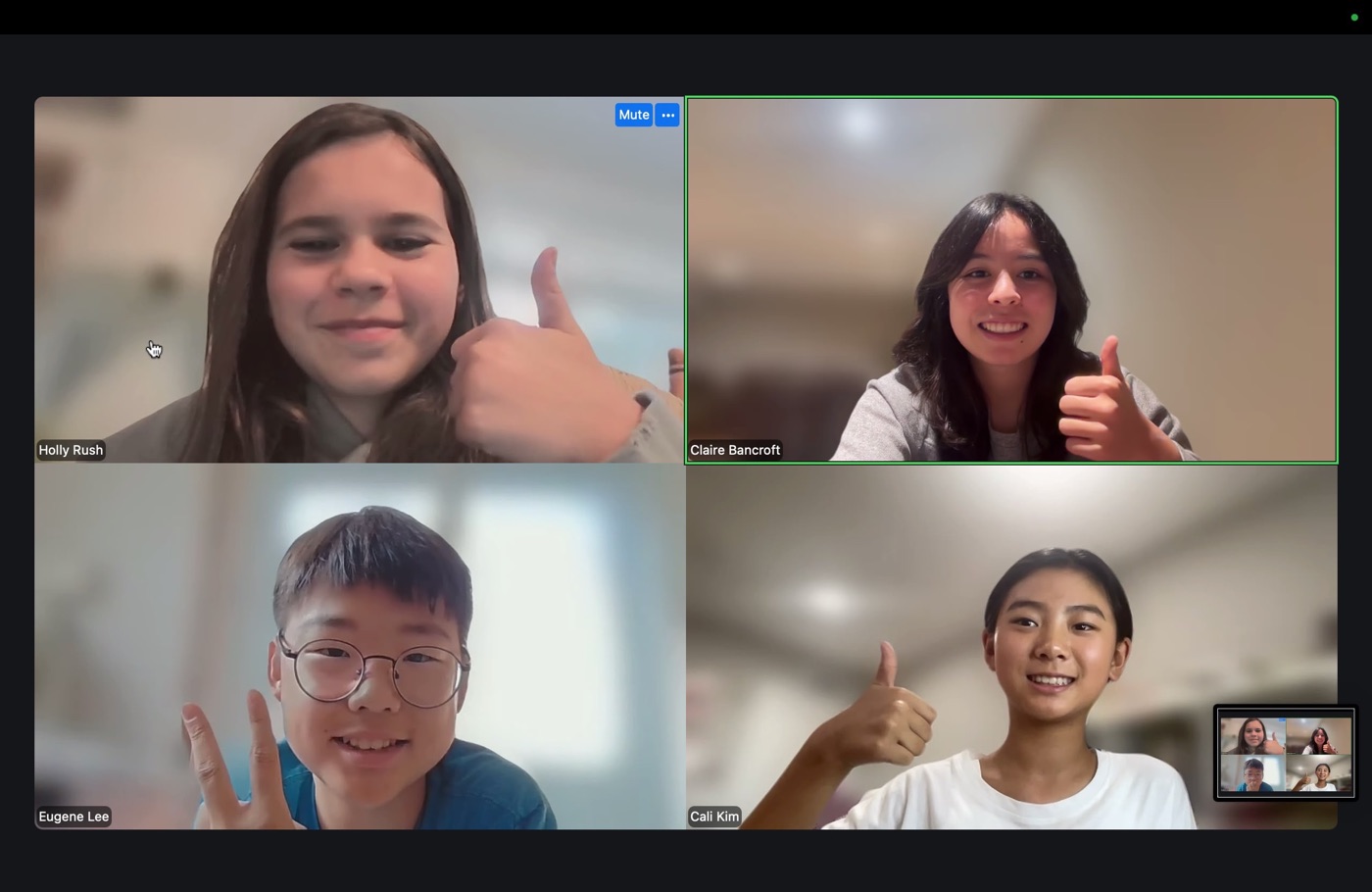
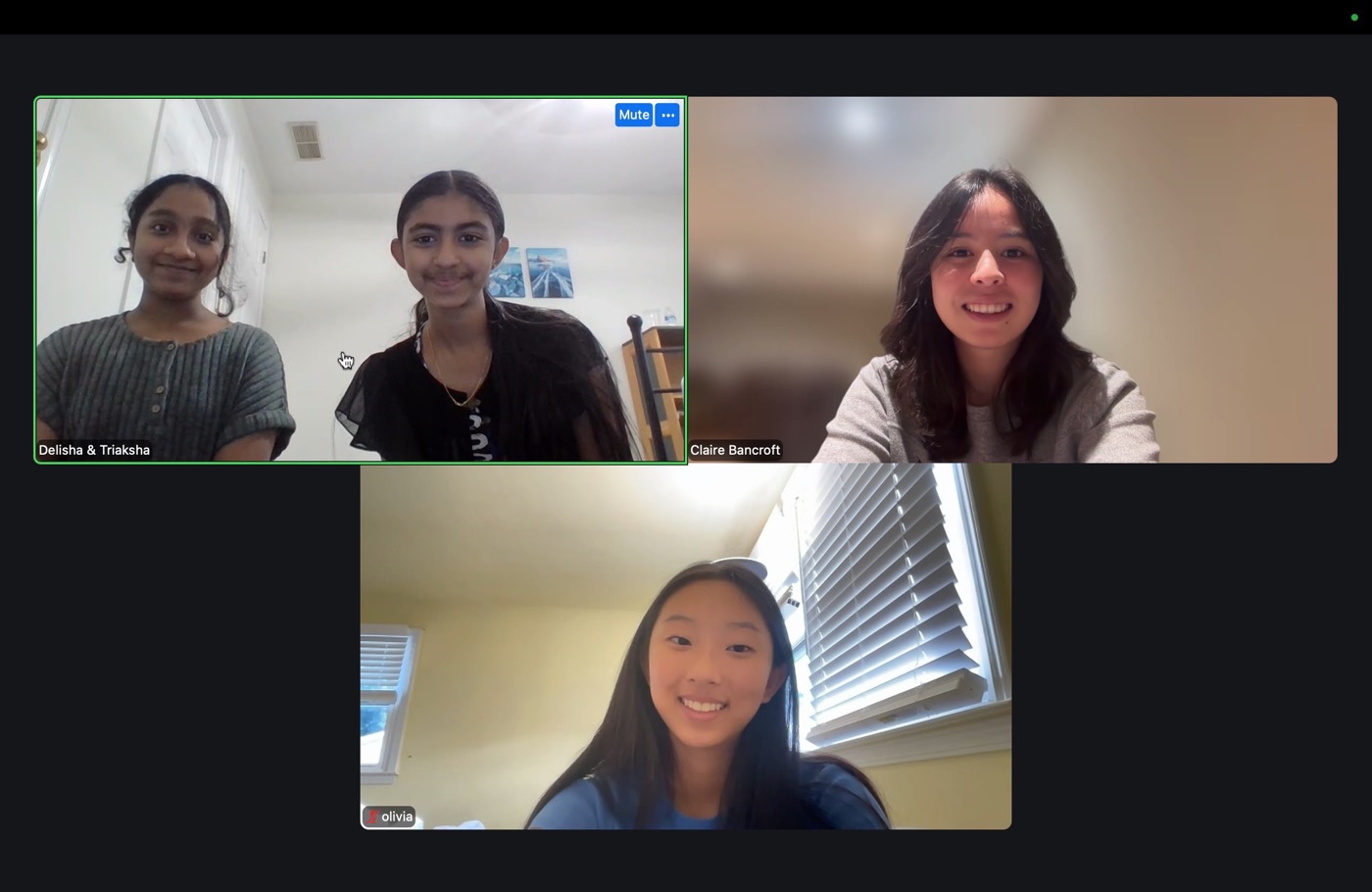
A complete research project, one session at a time
Eleven guided sessions walk you through the full arc of real research: finding a question you care about, reading and analyzing the literature, designing a methodology you can actually pull off, then writing, revising, and presenting a finished paper.
Every session pairs teaching with hands-on work: worksheets for methods and outlines, peer feedback in small working groups, and take-home steps that keep your project moving between meetings.
Explore the full curriculum →Made for students who want to...
Some questions don't have answers you can look up. Your mentor helps you chase those answers.
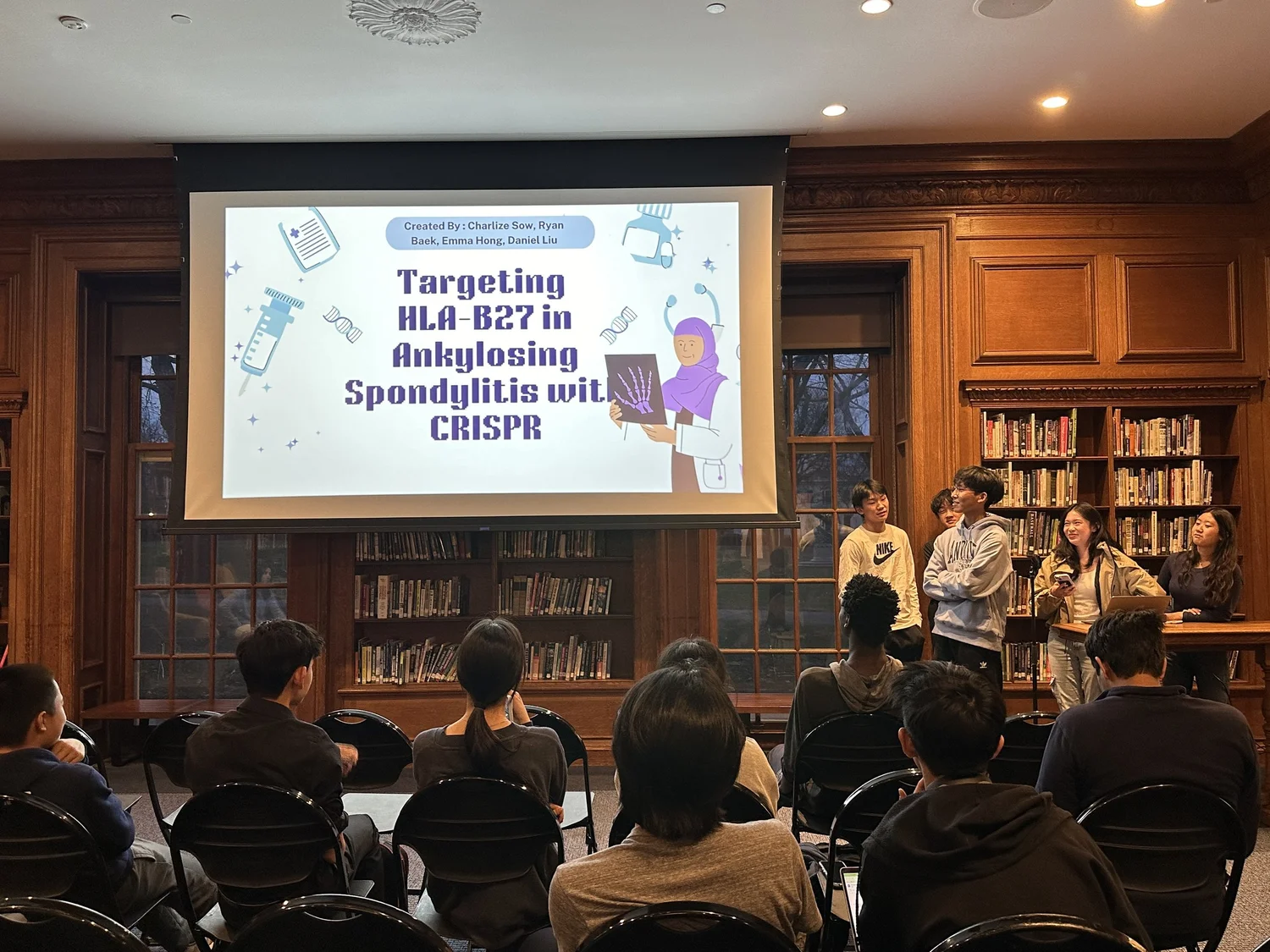
Chase
the questions you can't stop asking
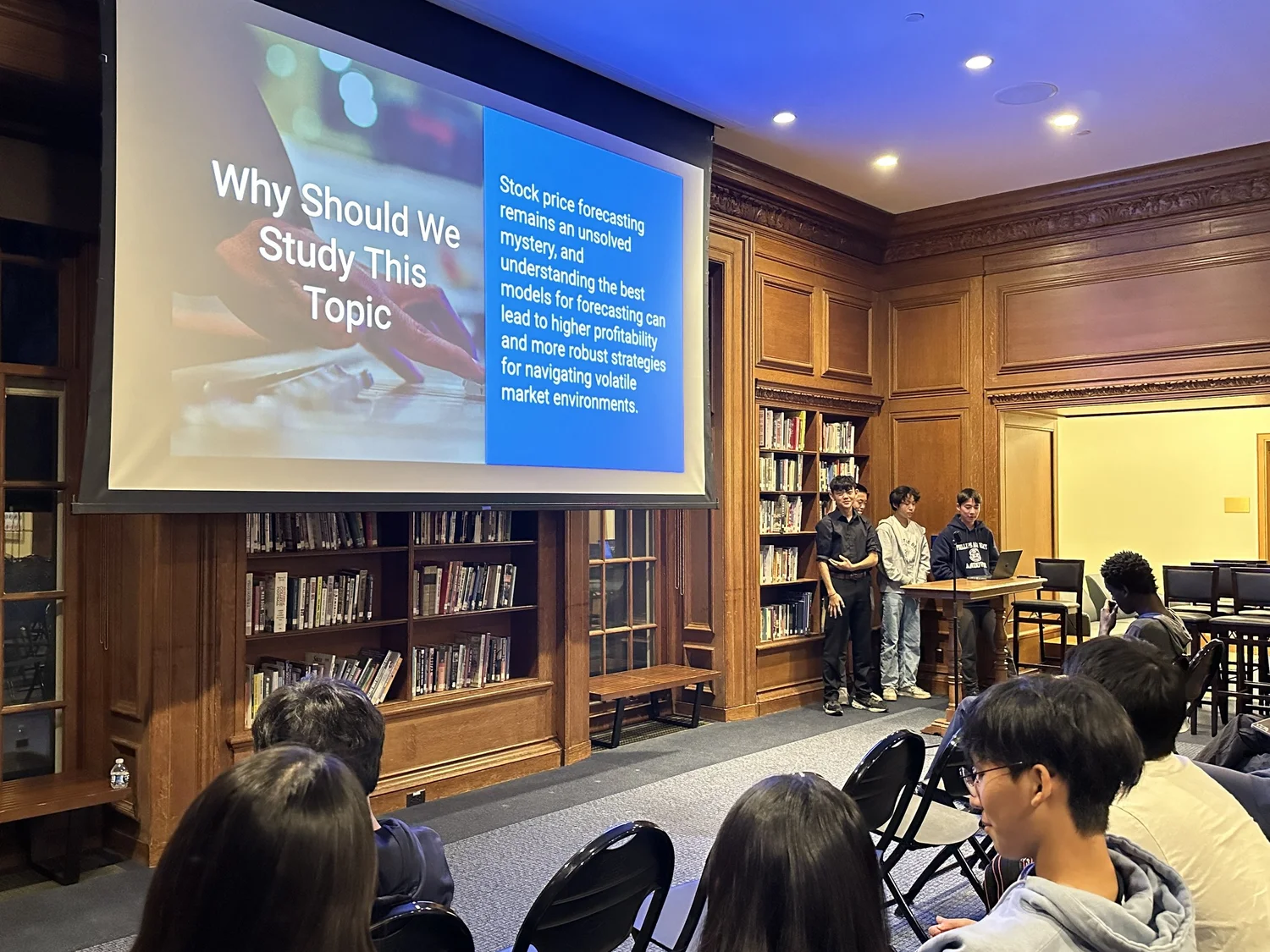
Build
projects people can see, share, and use
Papers, posters, presentations, science-fair projects: the outcome follows your vision.
Our most ambitious students don't just study knowledge. They add to it.
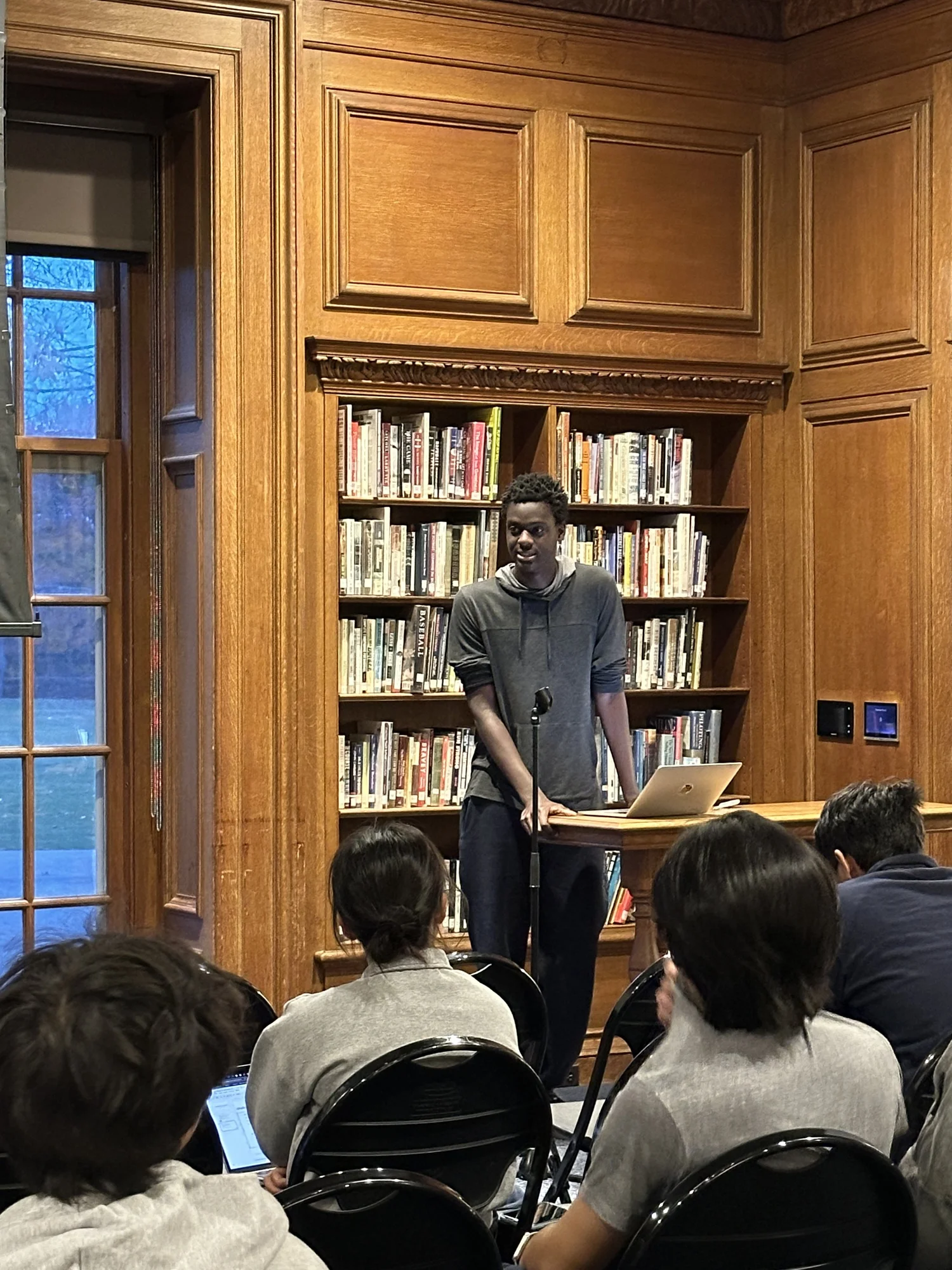
Contribute
research that pushes boundaries and leaves a mark
Three phases, one project
Initial Research
Find a question you actually care about. Brainstorm widely, score your ideas honestly, and learn how real research papers are built by reading them.
Sessions 1–4
Formulation
Turn your question into a plan. Design a methodology that's actually doable, outline your paper, and pressure-test it in small working groups.
Sessions 5–7
Actualization
Write, revise, and share. Draft your abstract, polish the paper with peer and mentor feedback, and present at the final symposium.
Sessions 8–11
What you'll do each meeting
Click any session to see what happens and what you'll take home.
{{ s.desc }}
{{ s.hw }}
The rest of this session, including the full walkthrough and its take-home work, unlocks when you join the summer program.
Apply for summer →The Idea Scoreboard
Your very first homework. Think of a research idea and score it 1–5 on each category. The honest total tells you if it's a keeper.
Score your idea
1 = nope, not really · 5 = def yes!!
{{ c.desc }}
Three tracks, one program
Every project starts from what you already love. Pick the track that matches it.
Build with artificial intelligence
Train and evaluate models, analyze datasets, and explore how AI can answer questions in any field you care about.
Argue something that matters
Build literature reviews and analytical papers in history, philosophy, policy, literature, and culture.
Test how the world works
Design experimental and observational studies in biology, physics, math, engineering, and beyond.
Pick the study design that fits you
Experimental Study
Manipulate a variable or environment to test cause and effect, like testing how a condition changes growth or a physical reaction.
Observational Study
Gather, track, and analyze existing data or materials without interfering: public datasets, surveys, records.
Literature Review
For the humanities pathway: evaluate and synthesize many academic sources around a single theme.
Analytical / Argumentative Paper
Analyze specific texts or artifacts to defend a thesis: rhetoric, history, philosophy, and more.
Built-in support at every step
Research mentors
Experienced student mentors check your progress, give feedback on drafts, and keep your project on track with clear milestones.
Guest speakers
Hear from researchers and college students about how real research gets done and where it can take you.
Small working groups
Dedicated work meetings in small groups, where you peer-edit, swap ideas, and push each other's papers forward.
Not all research programs are created equal
Most programs give every student the same path. {{ brand }} builds yours from scratch.
← Swipe to see the full comparison →
| Other programs | {{ brand }} | |
|---|---|---|
| Project direction | Assigned or preselected topics | You choose your own research question |
| Outcome | Another school project | Real research and novel ideas |
| Scheduling | Fixed times and dates | Flexible, with sessions that work for international students |
| Mentorship | Group or occasional check-ins | 1-on-1 with an experienced high school researcher |
| Student ownership | A fill-in-the-blanks template | You drive every decision, with guidance |
Our mentors are high schoolers, and that matters: nobody can speak to students better than other students. Every mentor has experience tutoring and mentoring, and all of them volunteer because they love sharing research.
Summer 2026 applications are closed
We're not accepting applications right now. Applications for our next cohort open this winter — the program is free, online, and open to curious students in grade 10 and under, with an application that takes about 45 minutes.
We will email you the moment the form goes live. No wrong answers, we want to see how you think.